India–US Track II Dialogue on Energy Cooperation

Background

Founded in 2010 to foster deeper bilateral cooperation on climate and energy, the India–U.S. Track II Dialogue has grown, over fifteen years, into one of the most established and trusted channels for exchange between the two countries. It has built consensus on issues ranging from climate finance to water and climate resilience to hydrogen, sustained by participants on both sides who continue to see a strong India–U.S. partnership as vital to the region and the world. Now in its 15th edition, the Dialogue has weathered changes in administrations, shifts in the global energy landscape, and evolving geopolitics, while staying anchored to its founding purpose: turning candid, non-attributed conversation into recommendations that move policy forward.

Co-Chairs

Working Groups

Between annual in-person meetings, the Dialogue stays active through three thematic working groups, each driving forward a distinct strand of the bilateral conversation:

Finance and Trade

Climate finance, investment barriers, trade friction and the tools needed to unlock capital for the energy transition

Breakthrough Technologies

Emerging solutions including nuclear, hydrogen, geothermal, storage and grid modernization

Resilience and Adaptation

heat resilience, subnational engagement and building climate resilience into everyday economic planning

In the lead-up to each in-person meeting, the working groups take on the themes shaping the moment. Ahead of the next annual dialogue in India, discussions are centred on the India–U.S. strategic relationship, trade dynamics, heat resilience and subnational cooperation, and emerging technologies such as nuclear and geothermal energy.

Approach

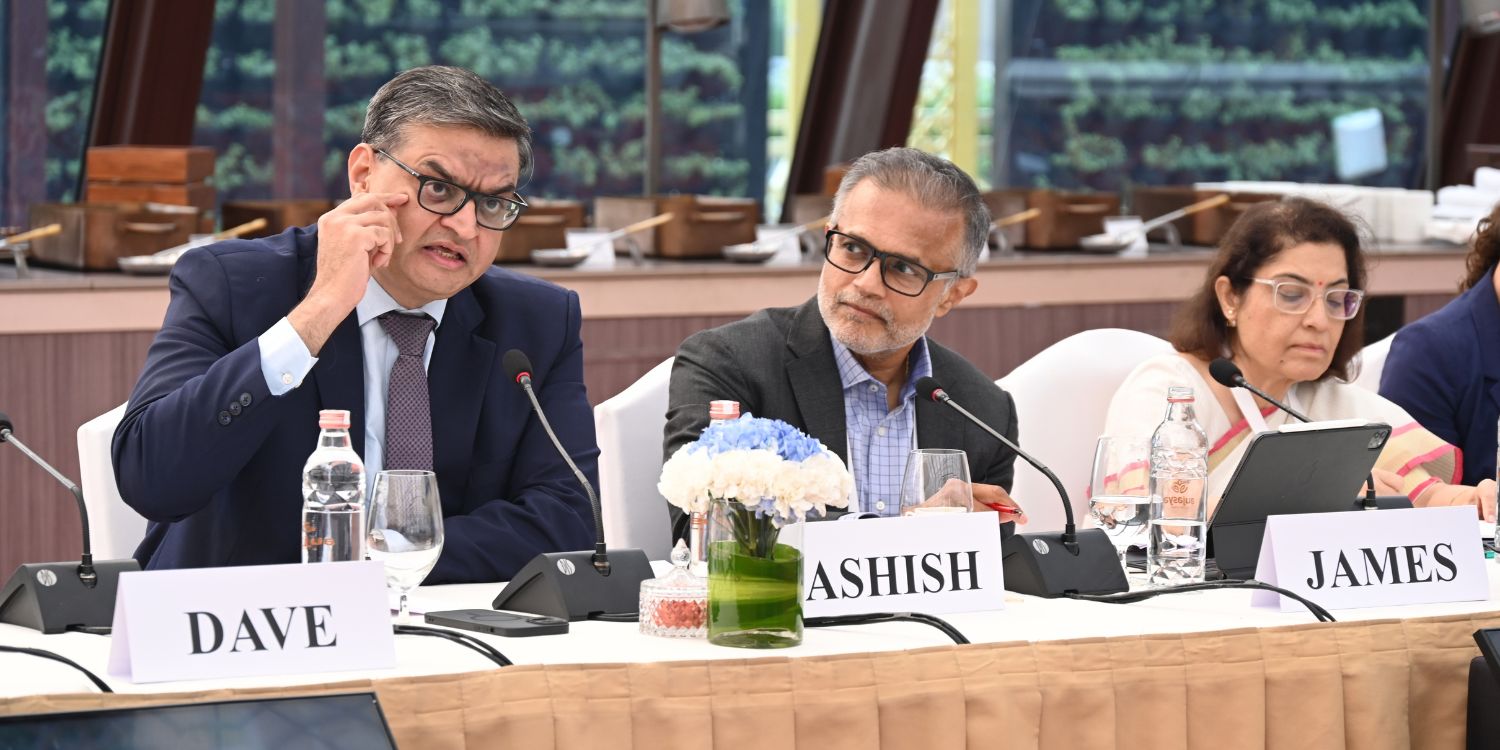
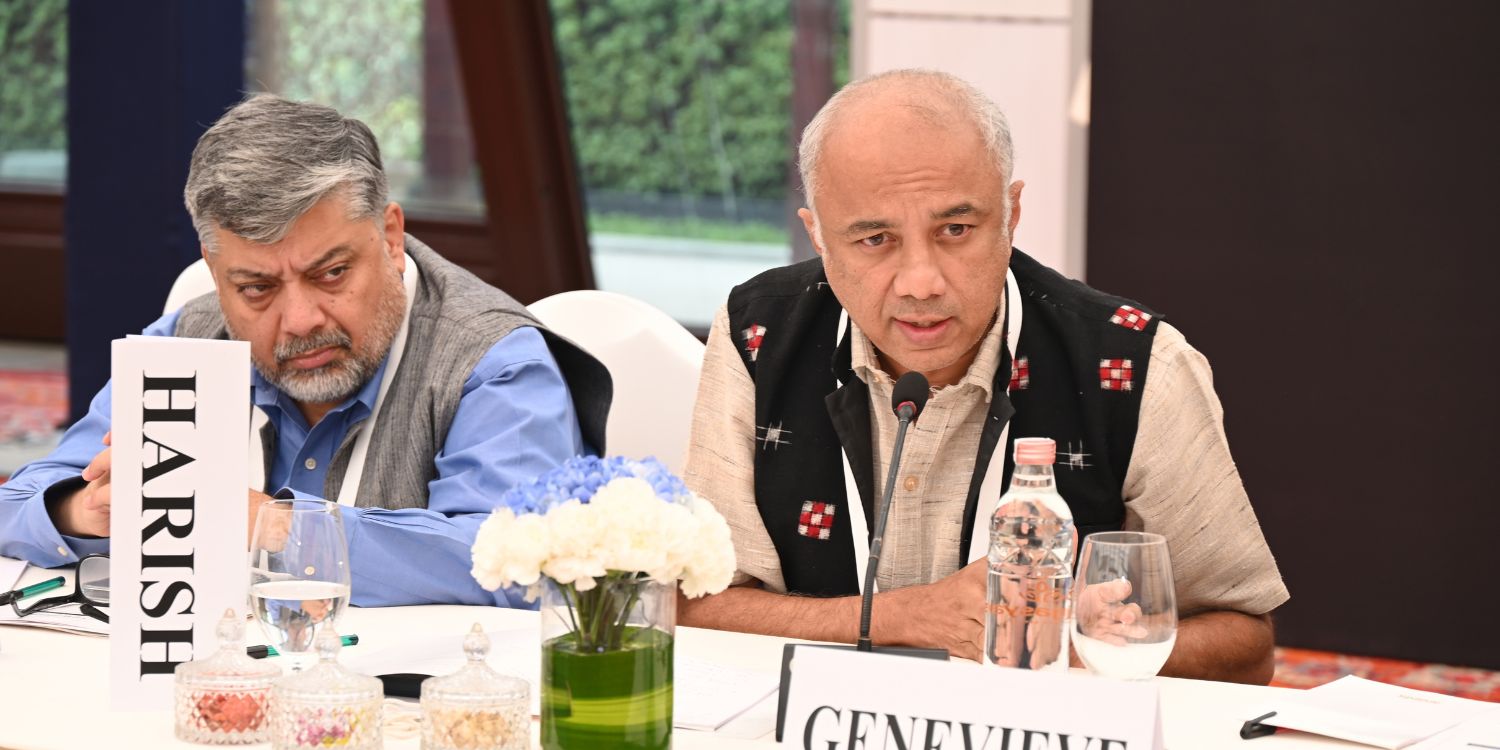
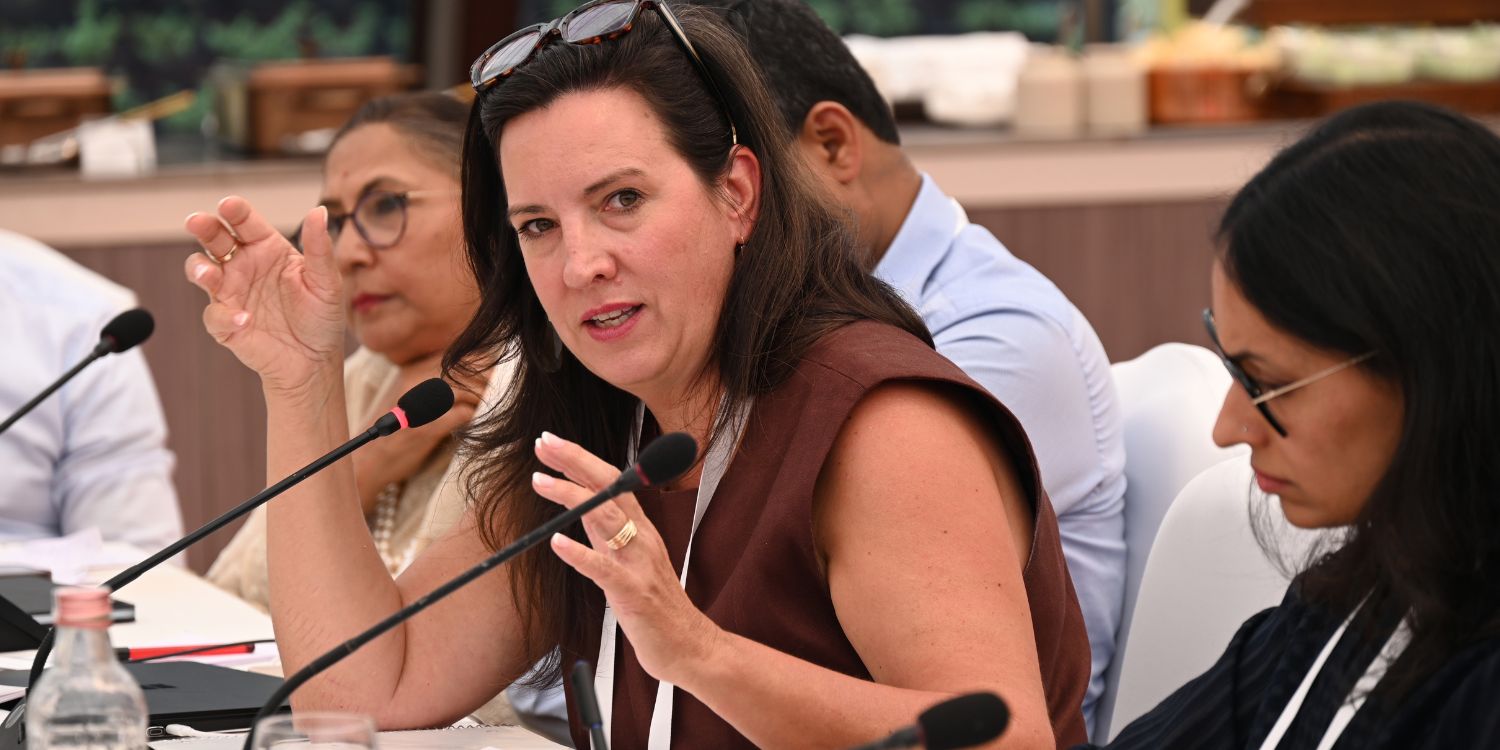
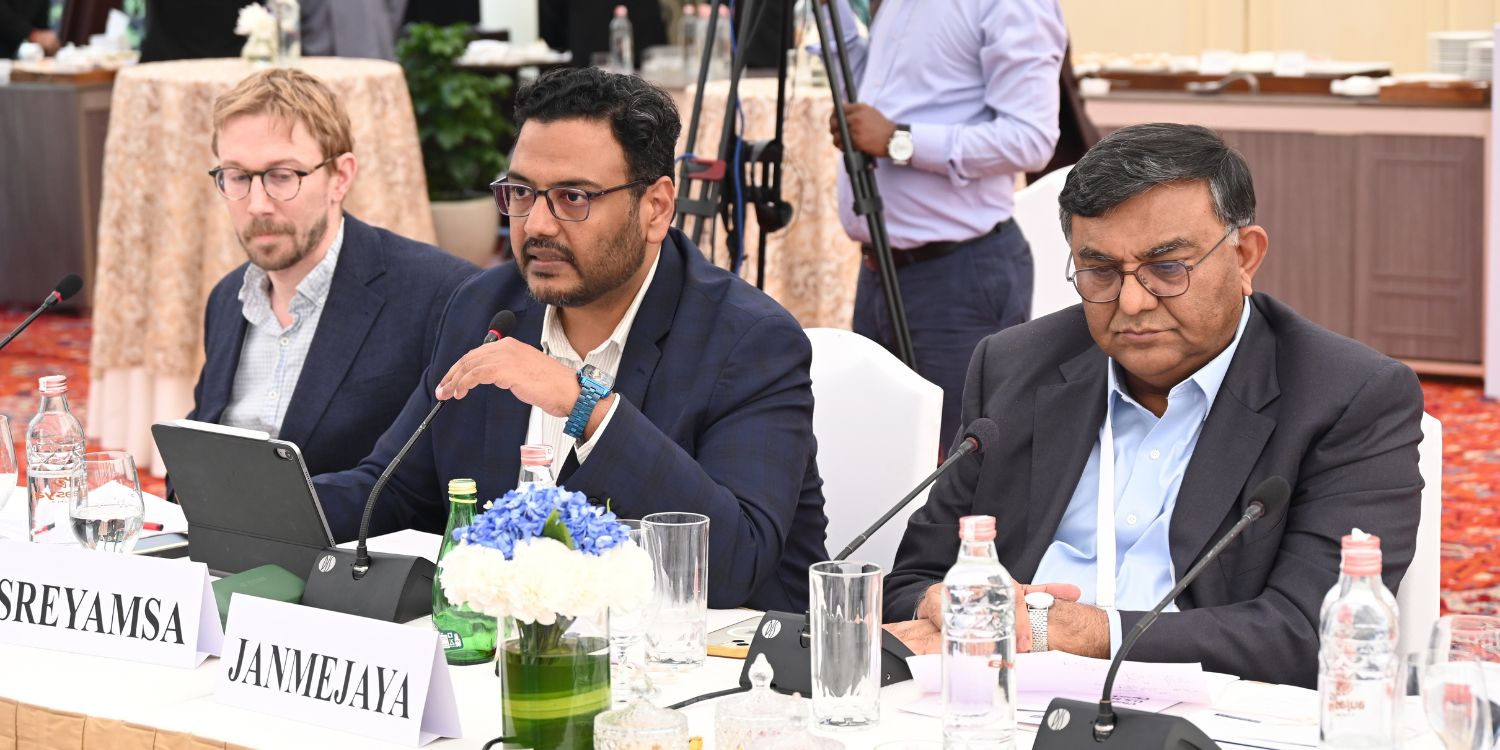
Each edition of the Dialogue brings together 24 to 28 senior participants from India and the United States, drawn from government, industry, academia and civil society. Convened by the Ananta Aspen Centre in partnership with the Aspen Institute’s Energy and Environment Program, with support from the Center for American Progress and the World Resources Institute, the Dialogue creates space for candid, non-attributed conversation. 

Participants work through concrete action items for advancing public and private cooperation between the two countries, aligning them with each nation’s domestic priorities: economic growth, public health, and the shared transition to clean energy.
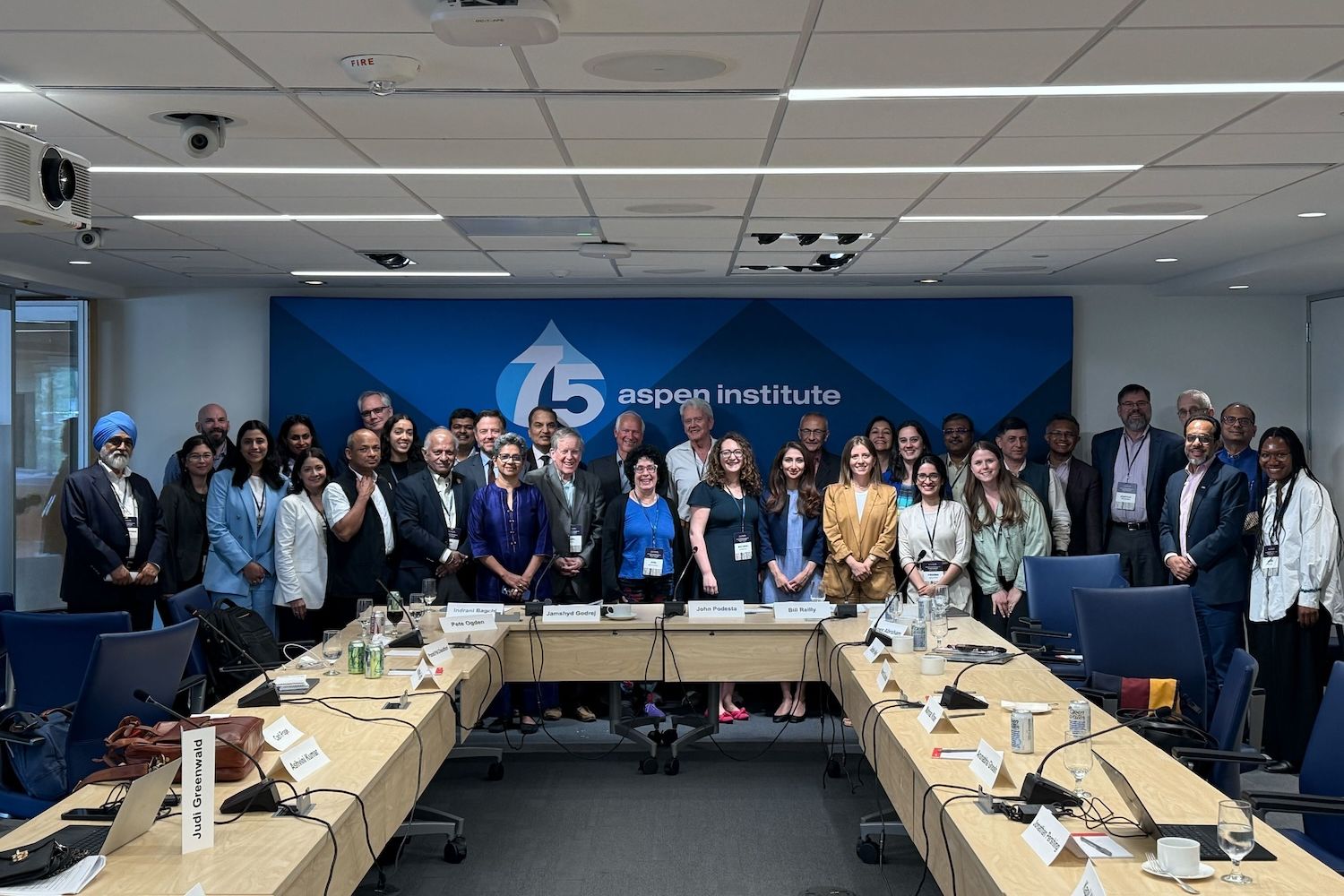
Washington, D.C. (19–20 May 2025)

The first in-person edition since the change in U.S. administration, this meeting took stock of a fast-shifting bilateral landscape, covering breakthrough technologies, climate finance, trade, heat and cooling resilience, supply chains, critical minerals, and subnational action. Discussions traced how both countries are adapting to new political realities while identifying where India and the U.S. can still deepen practical cooperation, from nuclear energy partnerships to critical mineral supply chains to city-level resilience innovation.

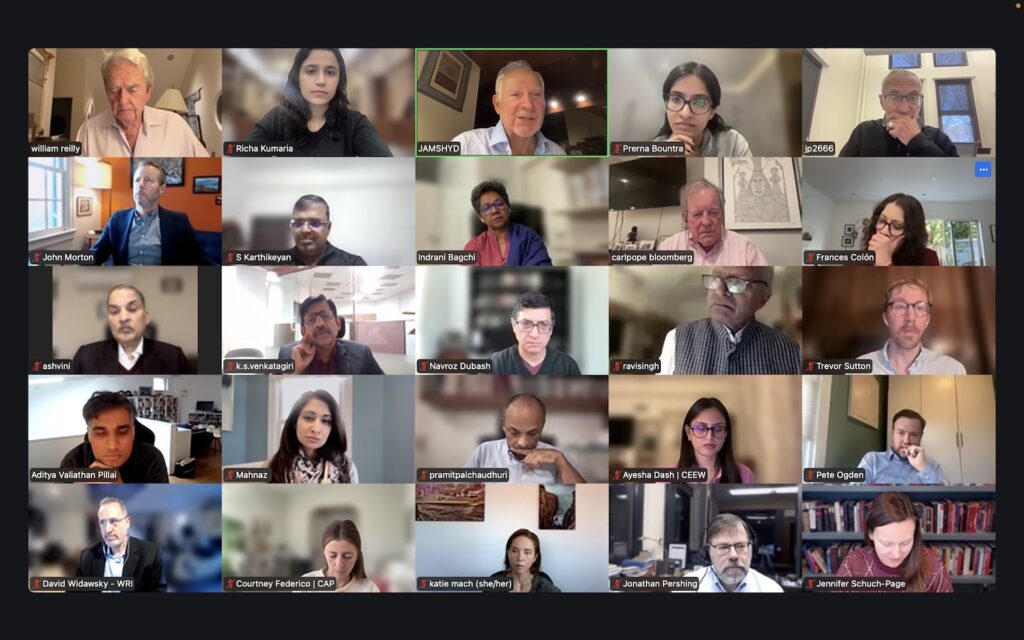
Virtual (12 June 2026)

This session picked up the conversation ahead of the next in-person meeting, with a sharper focus on the state of the strategic relationship, trade and tariff volatility, critical minerals cooperation, climate finance frameworks, and heat as a growing economic constraint. A recurring thread: even as high-level political signals fluctuate, functional cooperation in energy and technology, along with subnational and private sector engagement, continues to anchor the relationship.

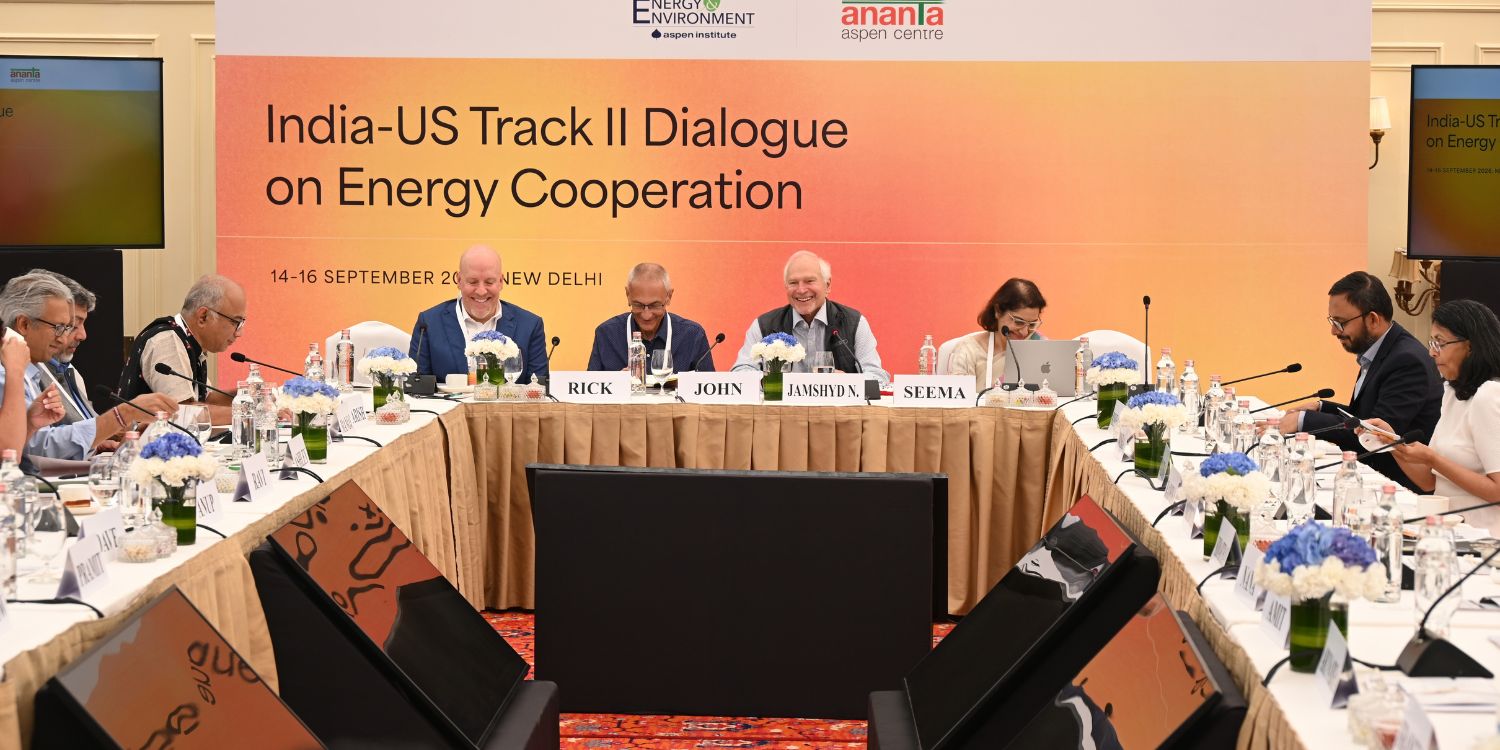
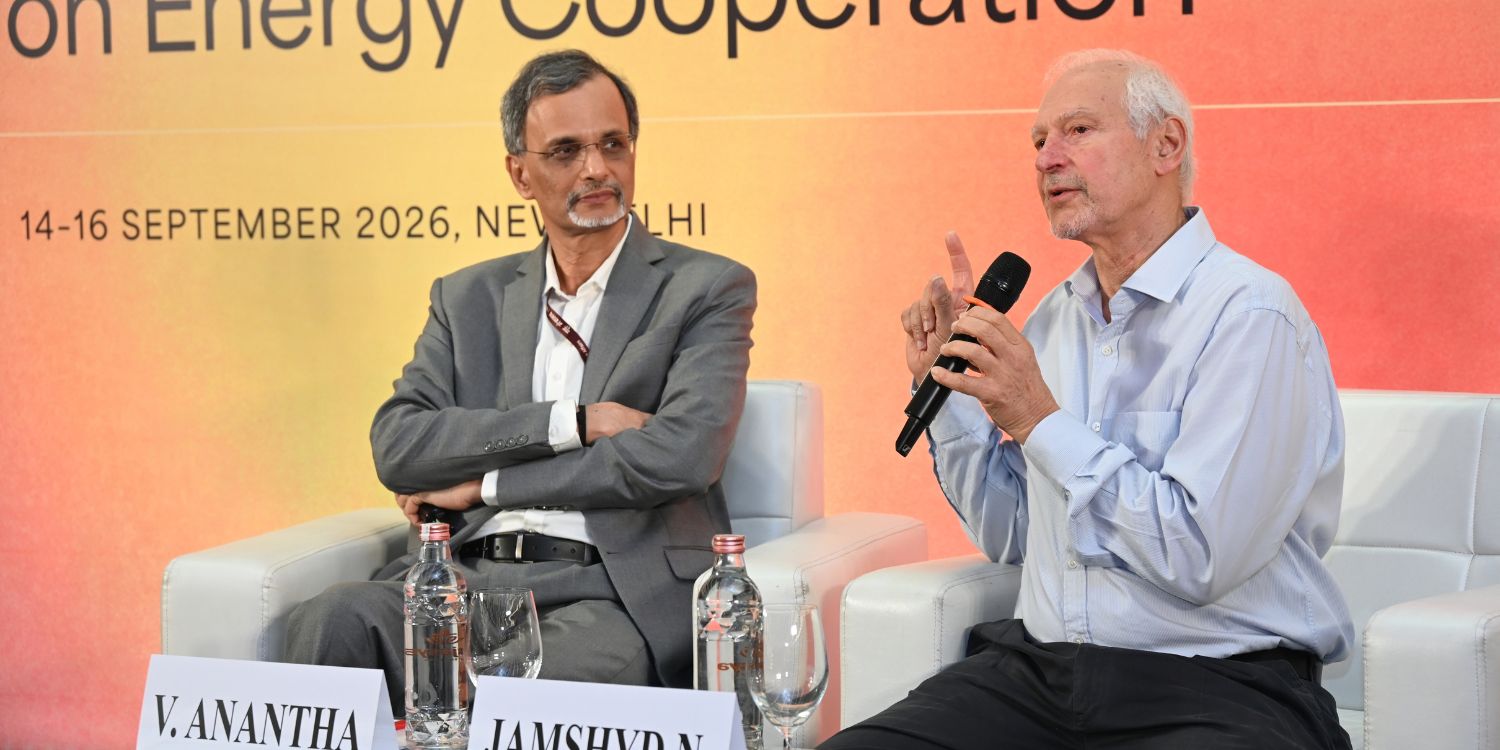
New Delhi (14–16 September 2026)

The Dialogue returns to India for its next in-person meeting, building on the groundwork laid across the working groups and the June 2026 interim session.

Reports

The Ananta Aspen Centre Bulletin

Subscribe to the Ananta Aspen Centre Bulletin for curated insights, event updates, and thought leadership.