
17–18 August 2026 | New Delhi
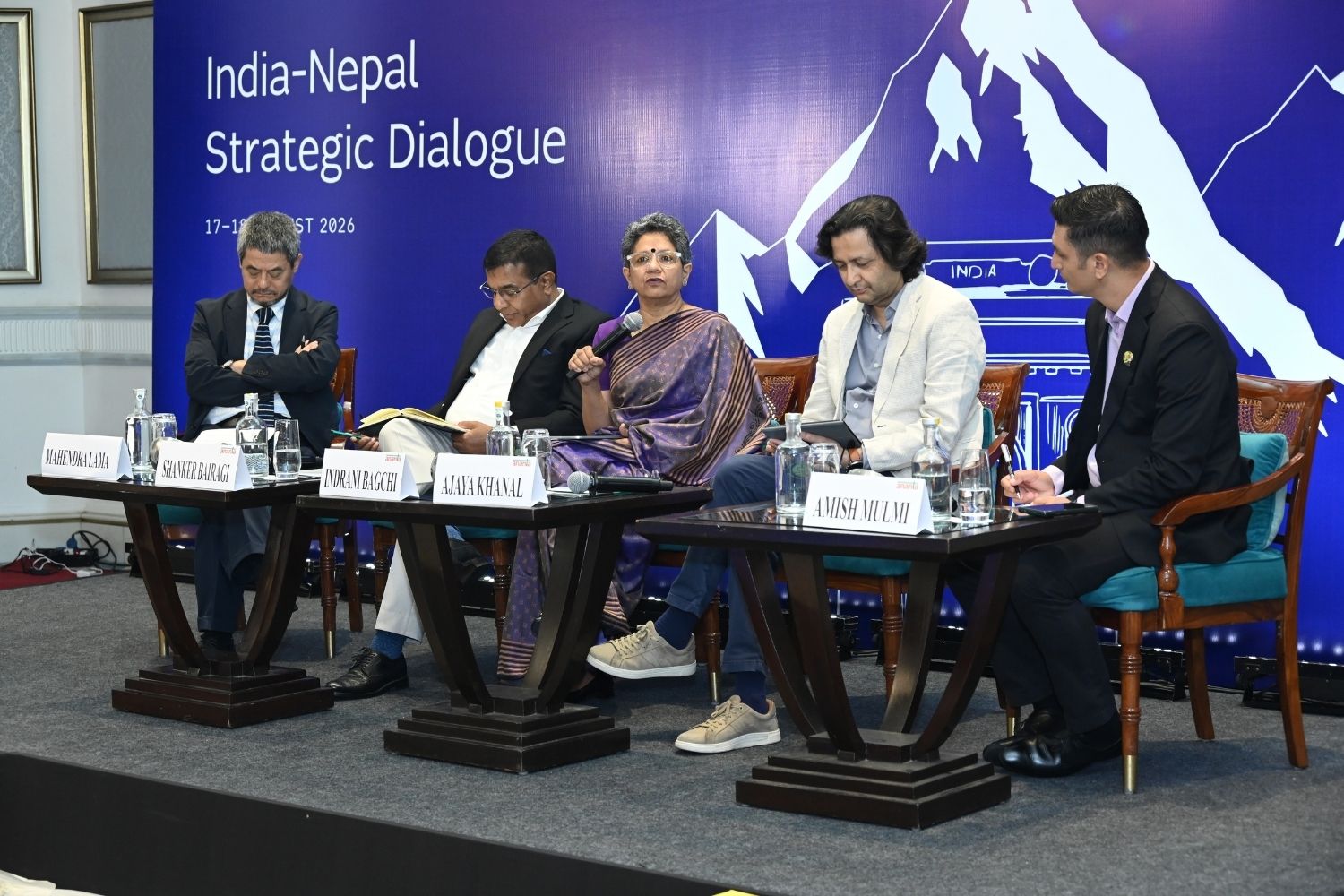
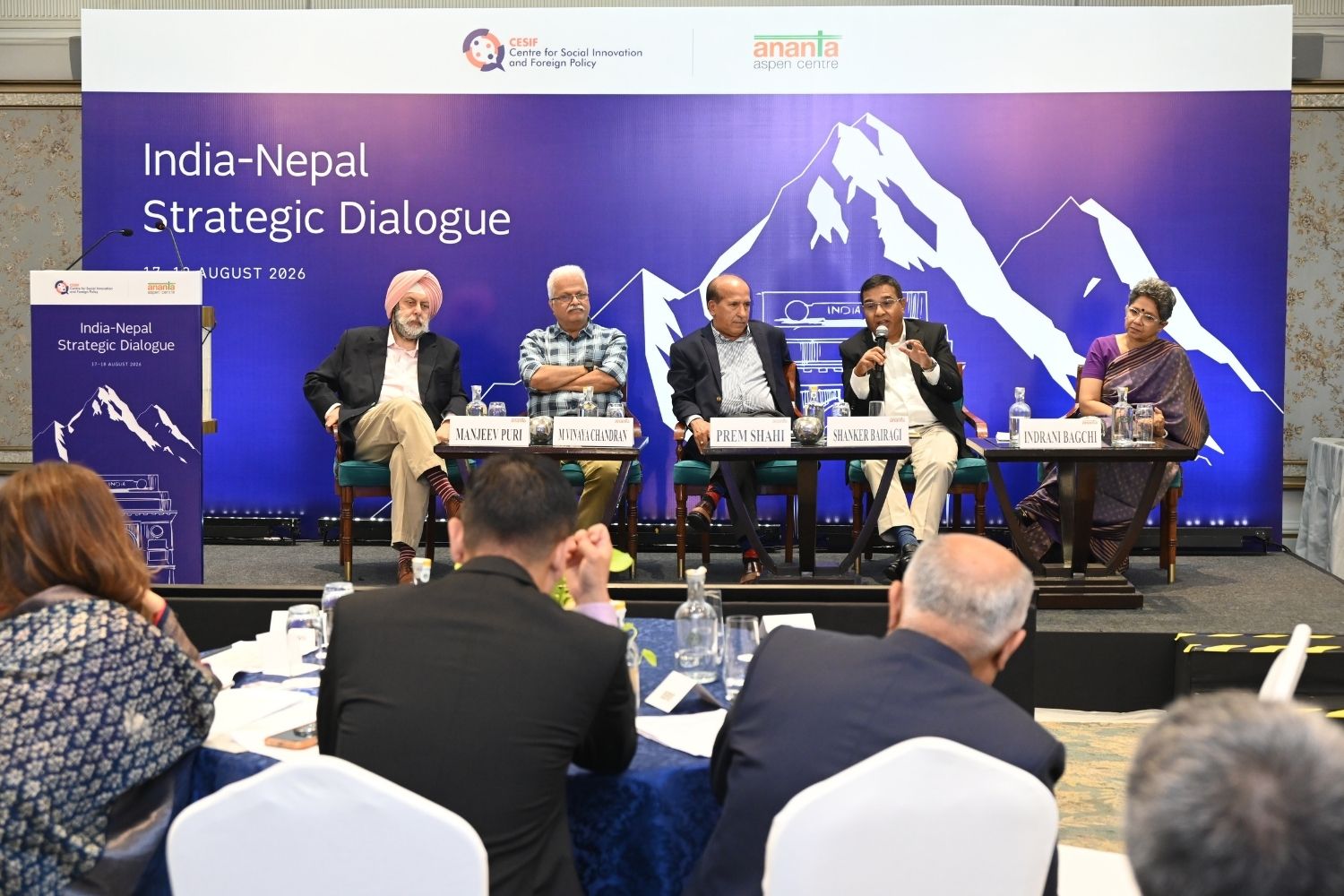
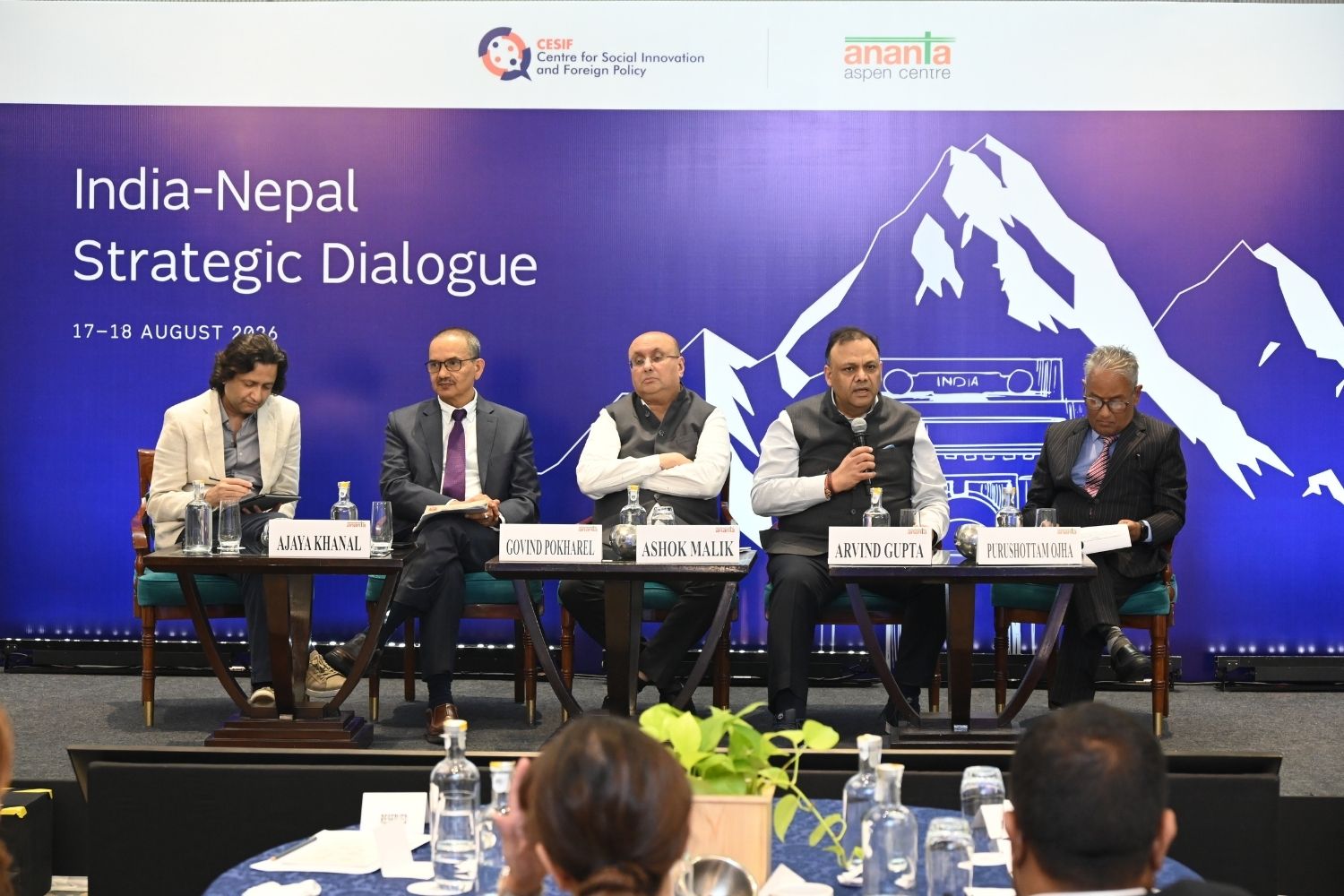
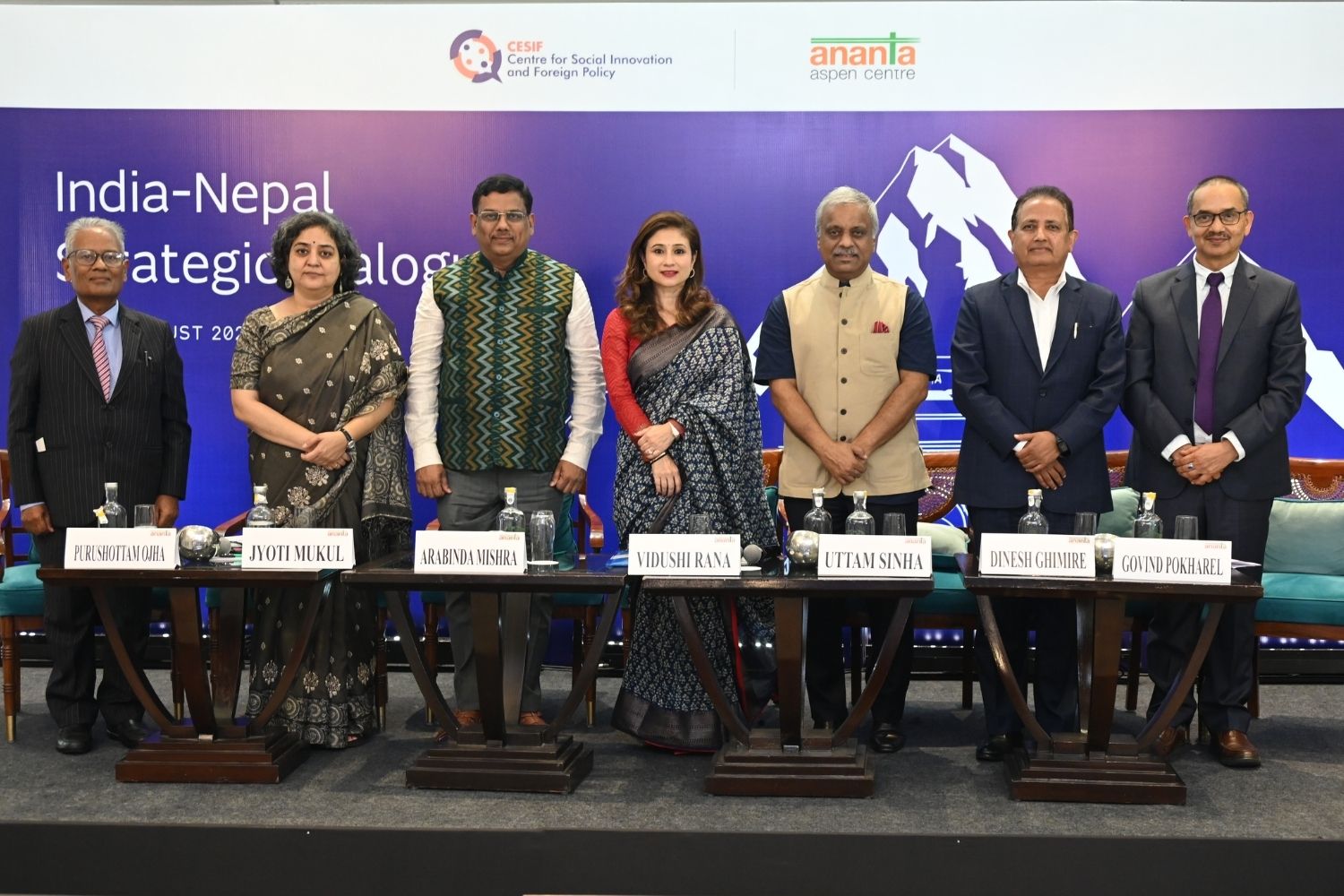
The Ananta Aspen Centre hosted the 2nd India-Nepal Strategic Dialogue in New Delhi on 17–18 August 2026, bringing together senior policymakers, diplomats, former government officials, strategic and security experts, researchers, business leaders, and young voices from India and Nepal for two days of candid, forward-looking engagement. The Track 2 Dialogue is co-convened by Ananta Aspen Centre and Centre for Social Innovation and Foreign Policy (CESIF) and was held under Chatham House Rules.
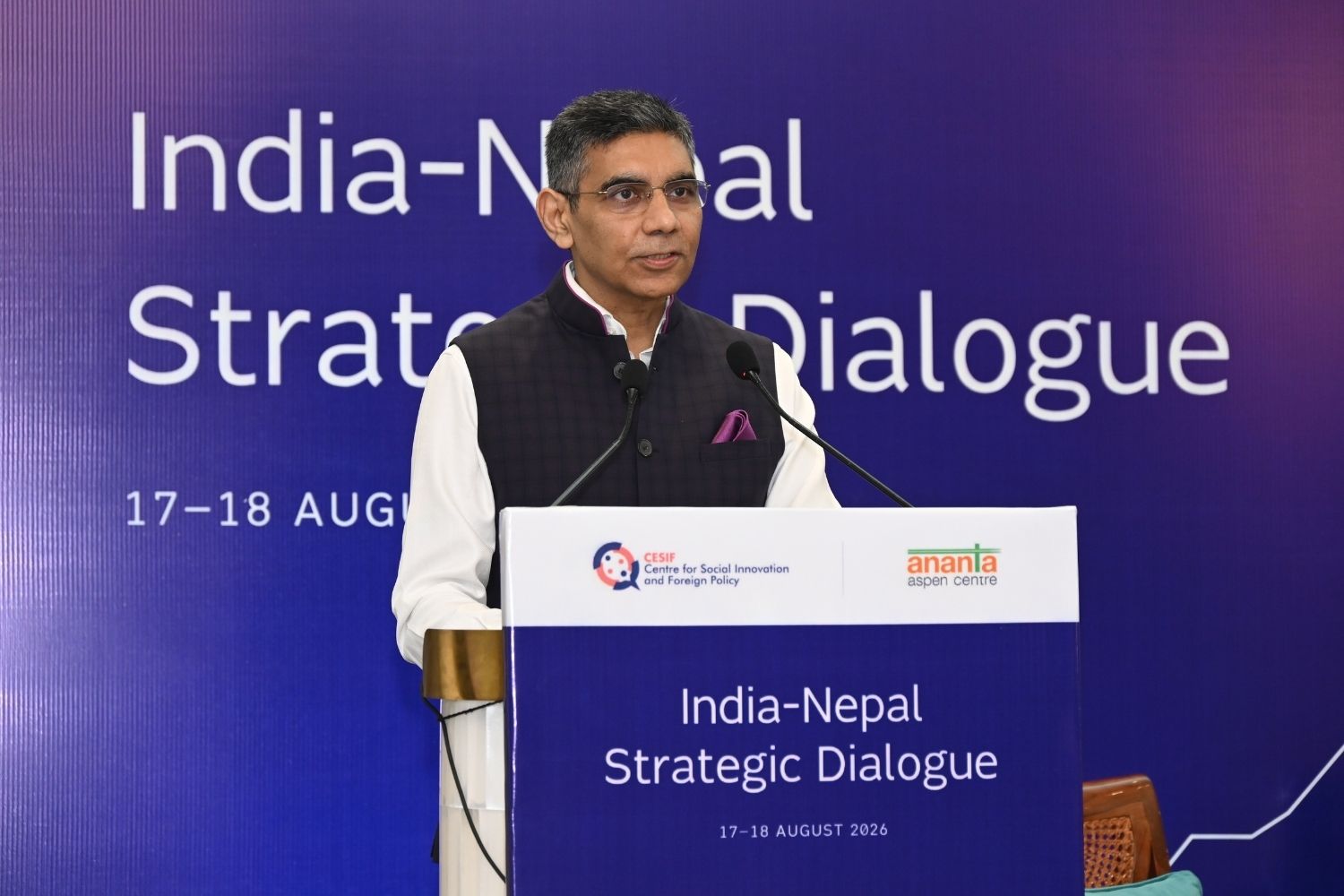
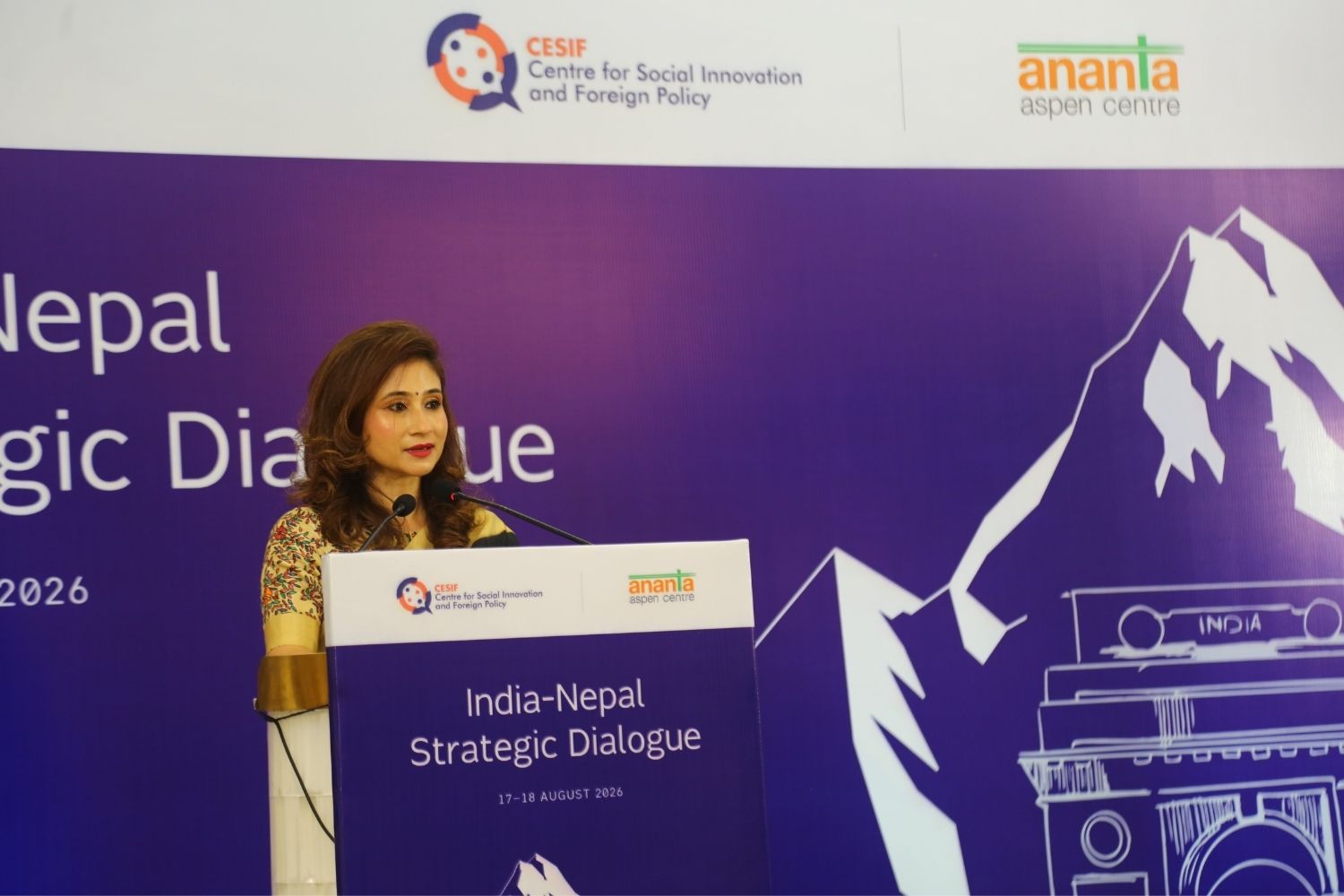
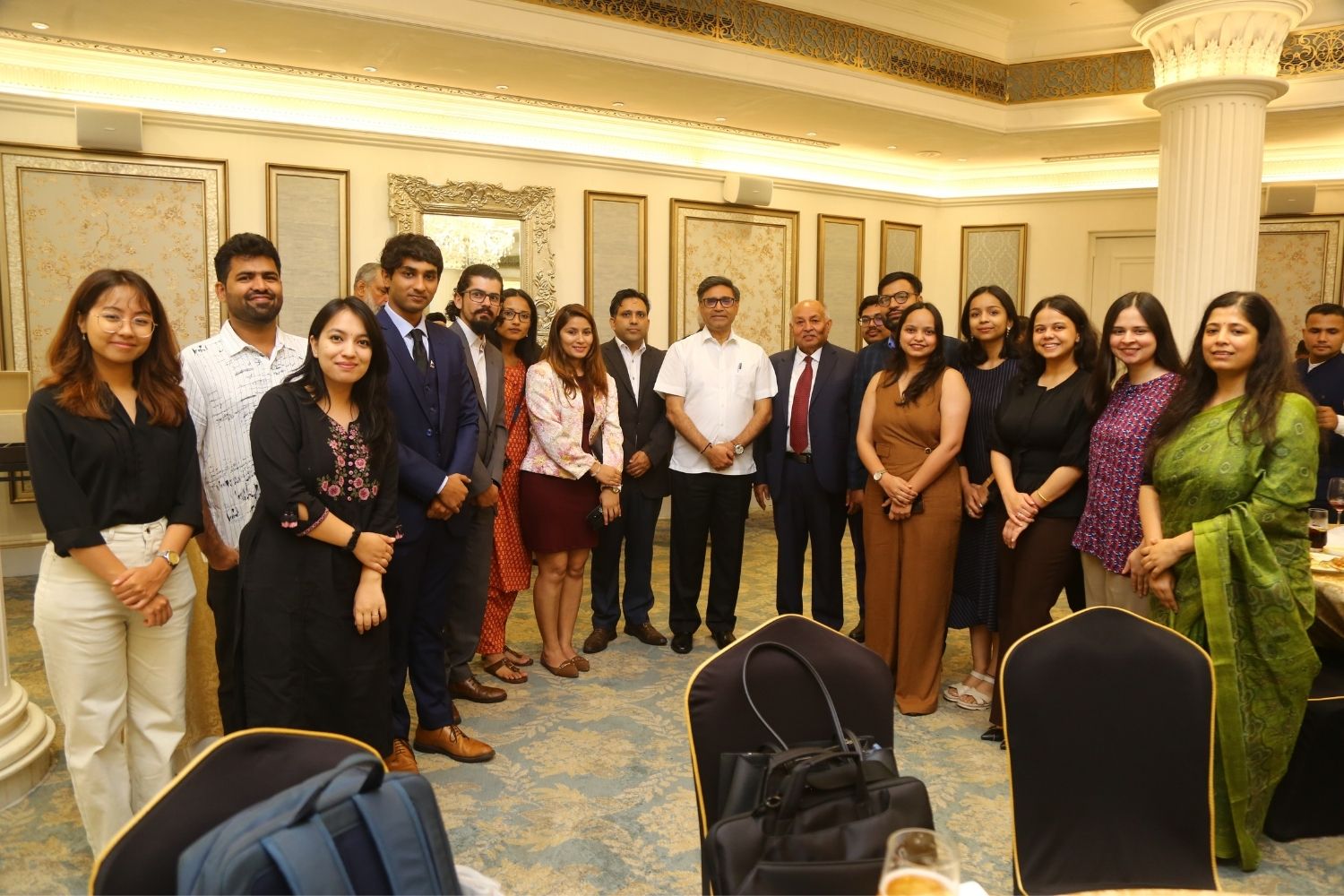
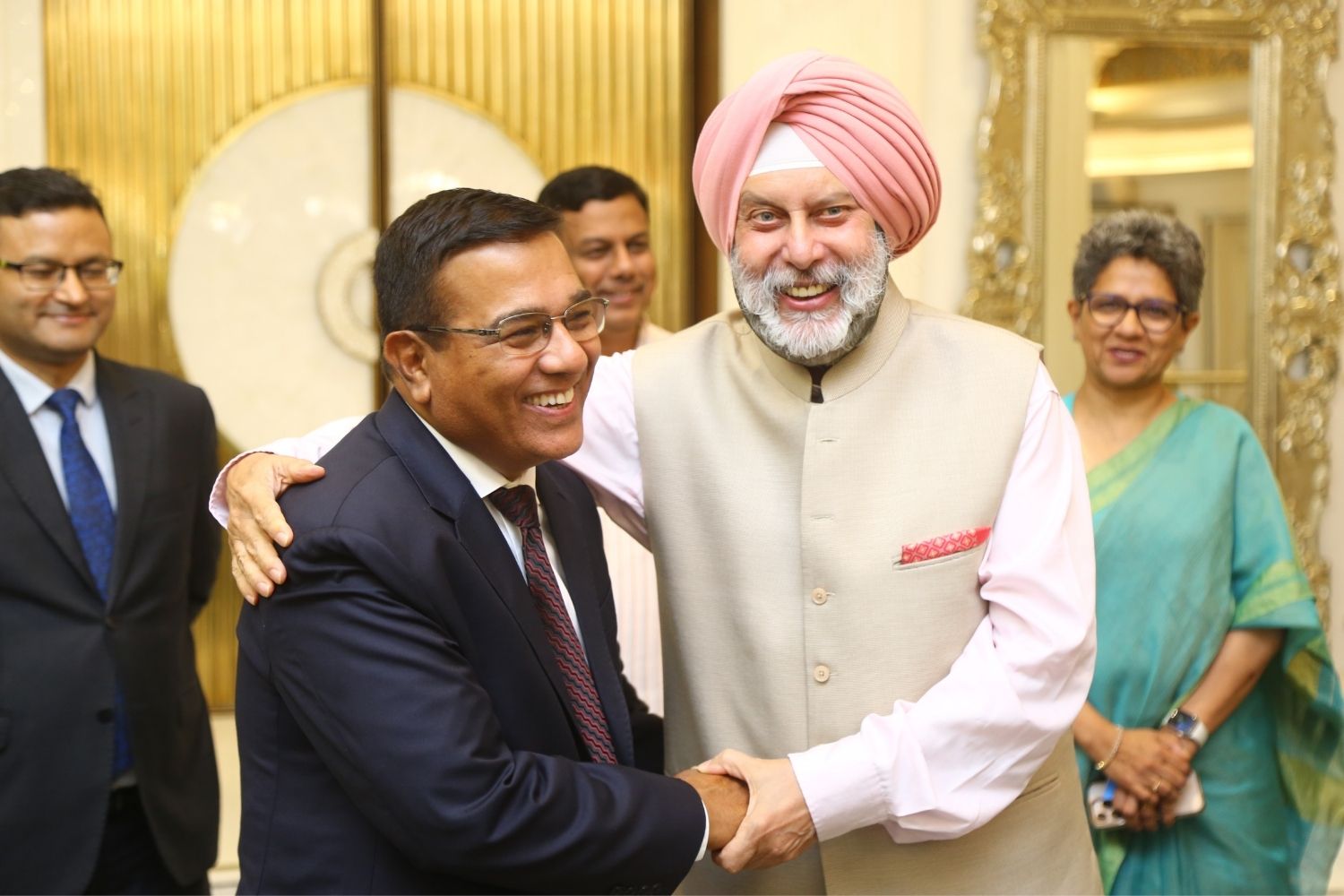
The Dialogue opened with an inaugural reception and dinner, with Mr Vikram Misri, Foreign Secretary of India, delivering opening remarks. Honourable Vidushi Rana, Member of Parliament for Rastriya Swatantra Party, Nepal, also shared a few words at the inaugural reception.
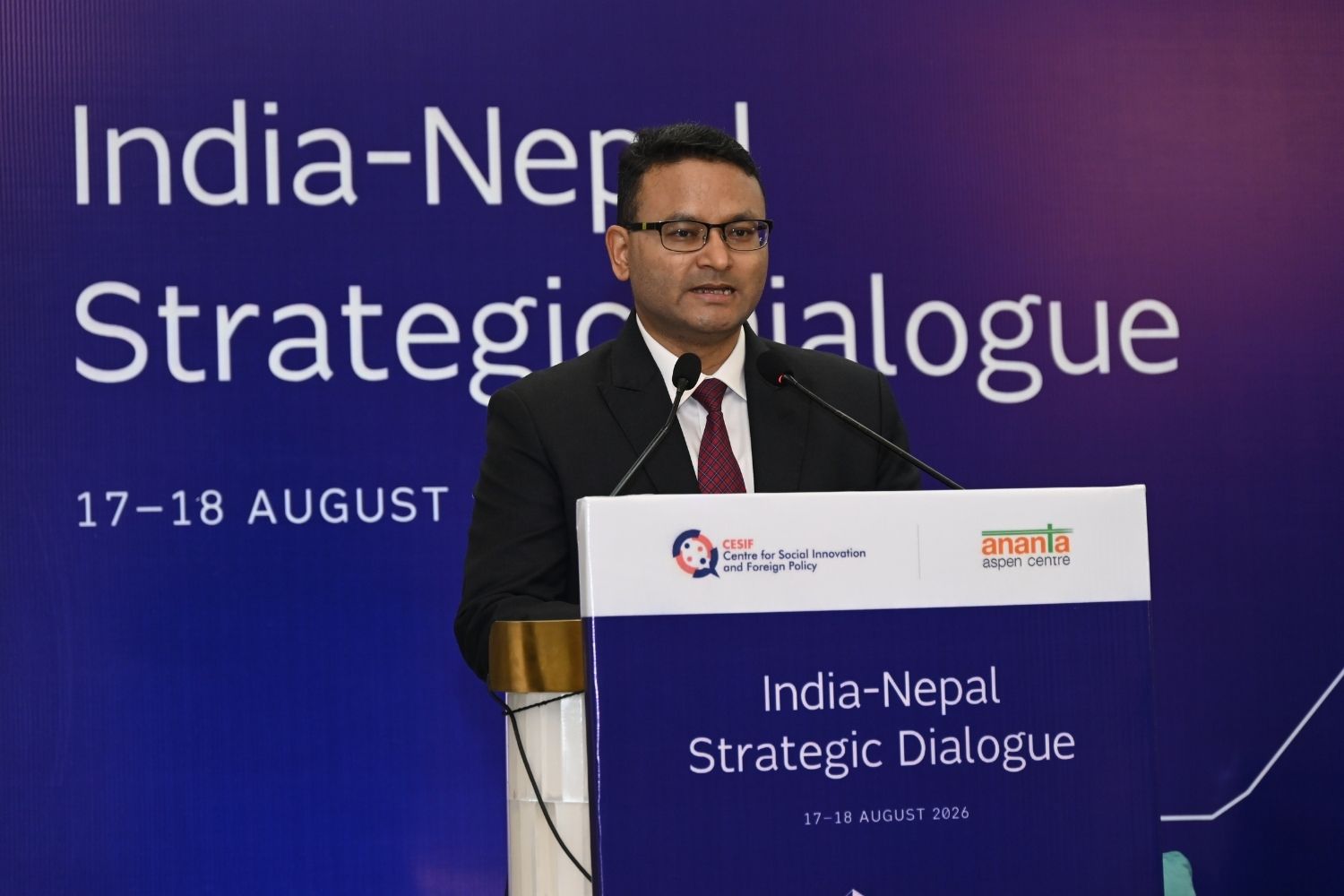
The following morning, Munu Mahawar, Additional Secretary, Northern Division, Ministry of External Affairs, Government of India, and Dr Surendra Thapa, Acting Ambassador of Nepal to India, delivered the keynote addresses, setting the stage for a wide-ranging conversation on the future of India-Nepal relations.
The discussions explored how the India-Nepal relationship can move beyond a narrowly bilateral and transactional framework, and instead respond to a rapidly changing regional and global environment. A central focus was the strategic and geopolitical context shaping the relationship, including the need to deepen mutual understanding and build greater resilience in the face of emerging challenges.
Security and strategic cooperation formed an important pillar of the dialogue, with participants examining the implications of the open border, terrorism, cross-border crime and the rapidly evolving cybersecurity landscape. The conversations also considered how India and Nepal can strengthen information-sharing and institutional coordination while preserving the openness that is fundamental to the relationship.
Energy and economic cooperation was another major focus. Participants discussed the significant potential of Nepal’s hydropower resources to complement India’s clean-energy transition, while examining the practical requirements for long-term power trade, transmission and investment. This was complemented by discussion of trade facilitation, non-tariff barriers and the implementation of existing bilateral agreements to create more predictable economic ties.
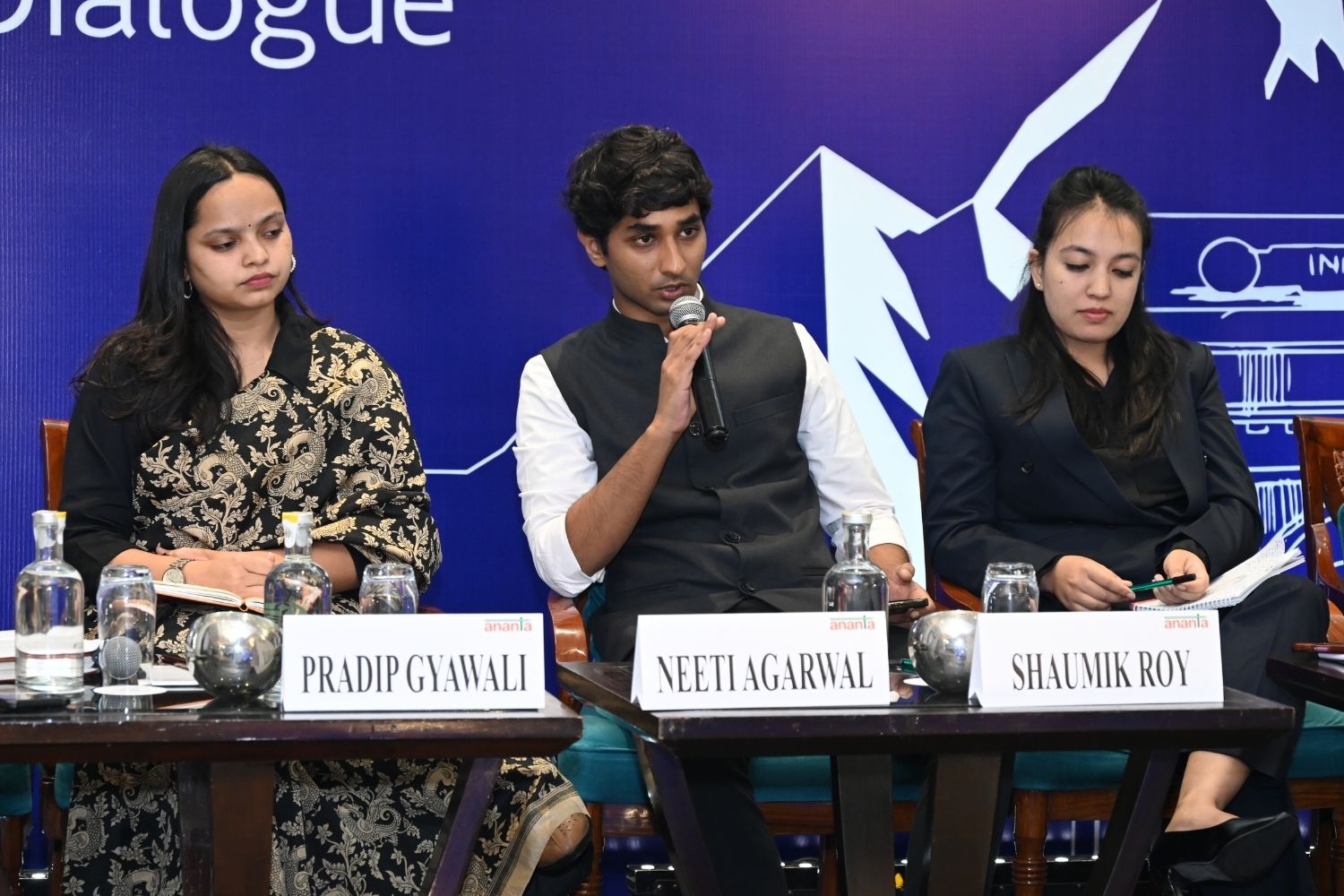
The Dialogue also looked at connectivity and digital cooperation as important building blocks of the future relationship — from roads, railways, inland waterways and border infrastructure to cross-border payments and data-sharing. A distinctive feature of this year’s Dialogue was the space given to youth and emerging voices.
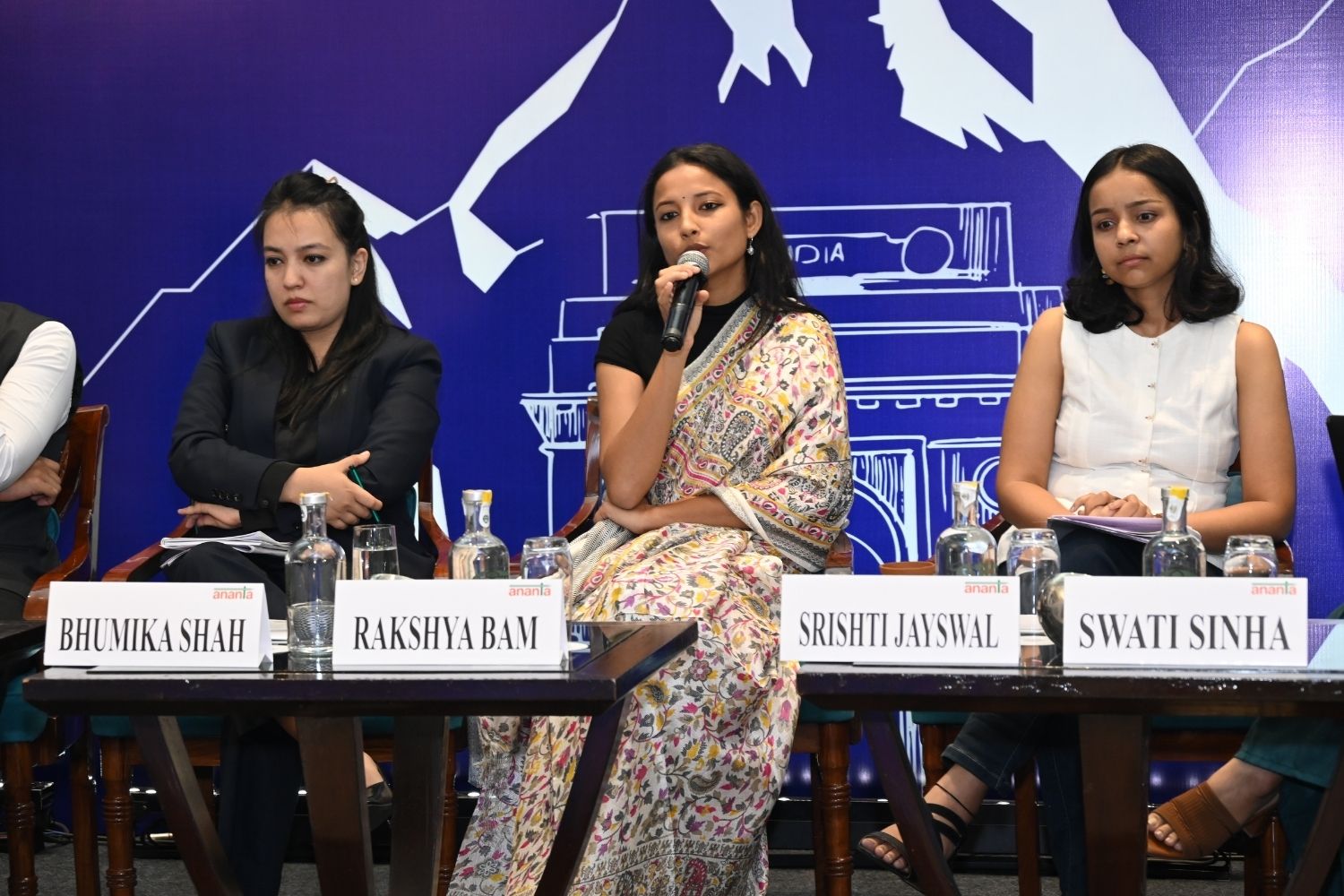
Discussions explored the aspirations of a younger generation in both countries, including education, employment, migration, political participation and how youth can contribute to a more constructive and forward-looking India-Nepal relationship.
The Dialogue brought together an especially strong group of Nepali voices, including Shanker Das Bairagi, former National Security Adviser; Ajaya Bhadra Khanal, former Chief Advisor to the Prime Minister; Gobinda Raj Pokharel, former Vice Chairman of the National Planning Commission; Dinesh Kumar Ghimire, former Secretary, Ministry of Energy; Purushottam Ojha, former Secretary, Ministry of Industry, Commerce and Supplies; Major General Prem Shahi (Retd.); Vijay Kant Karna; and emerging voices including Rakshya Bam and Pradip Gyawali.
The 2nd India-Nepal Strategic Dialogue reaffirmed the value of sustained Track 2 engagement in creating space for frank conversations, new ideas and deeper relationships between the two countries. It also underscored the breadth of the India-Nepal partnership—and the opportunity to build a more ambitious, resilient and future-oriented relationship grounded in strategic trust and practical cooperation.
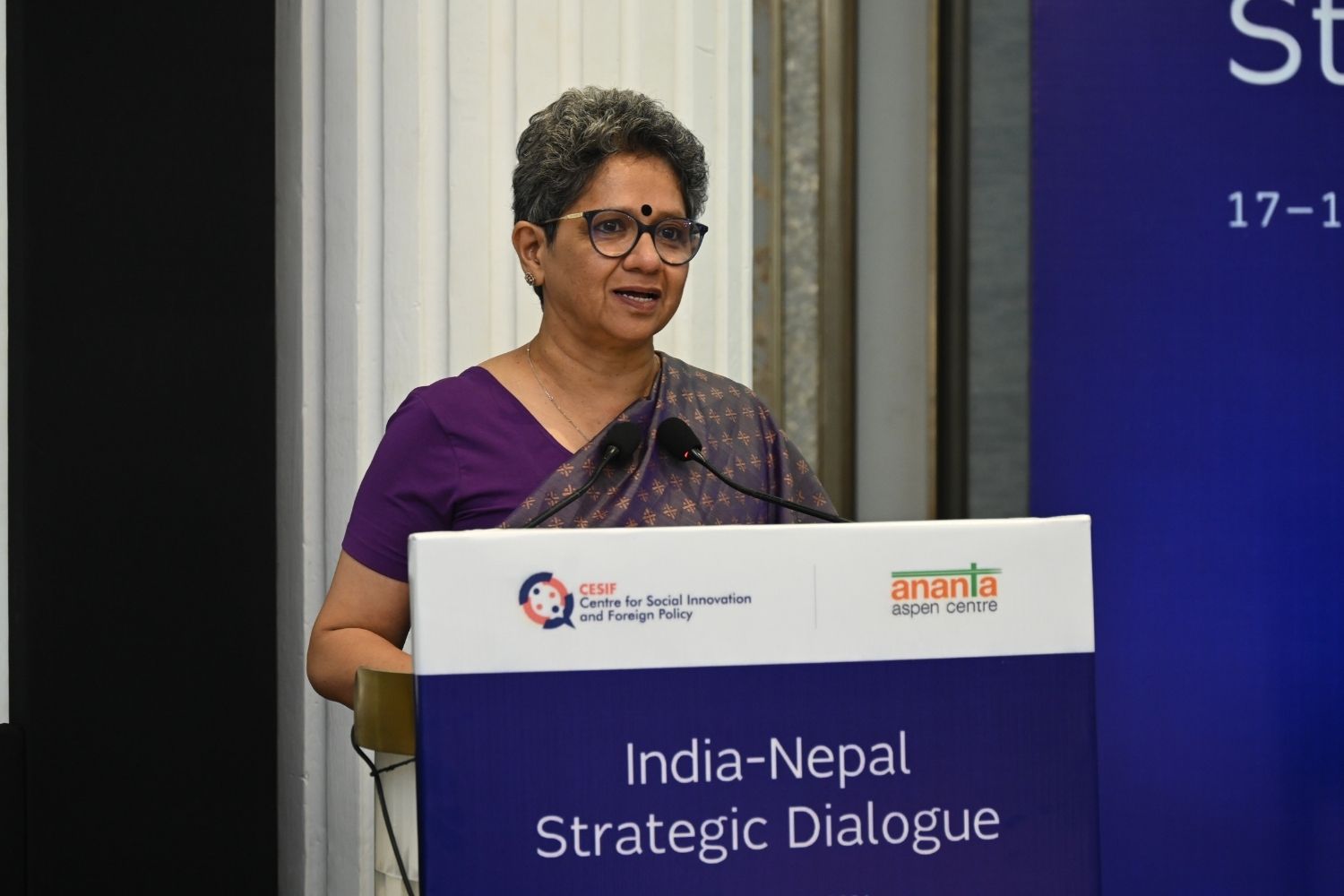
The Dialogue concluded with remarks by Ajaya Bhadra Khanal and Indrani Bagchi, Chief Executive Officer, Ananta Aspen Centre.