
Kamalnayan Bajaj Fellowship
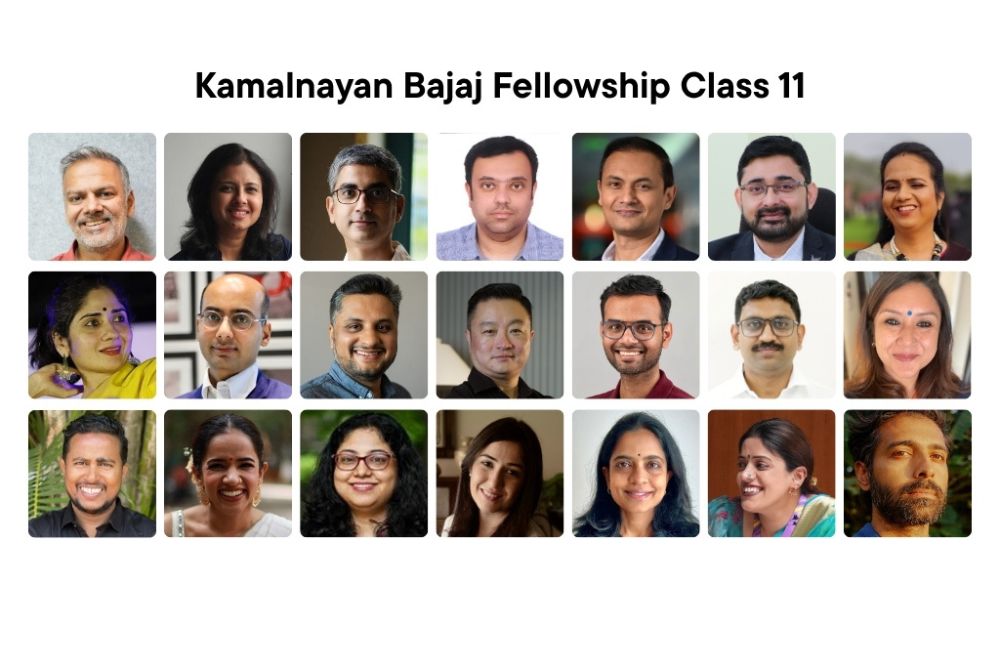
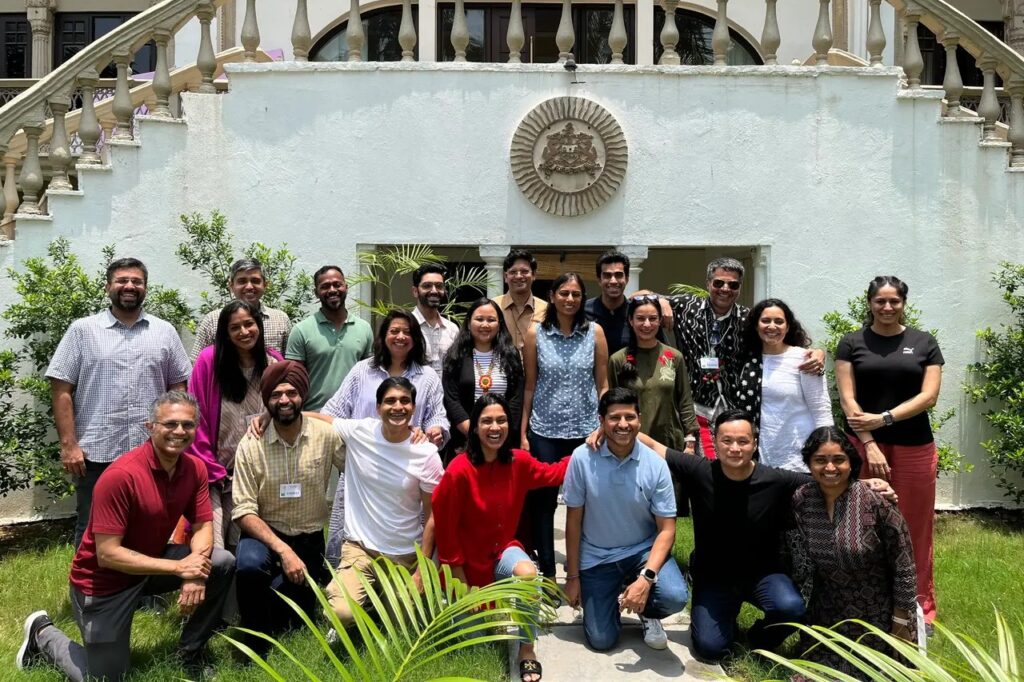
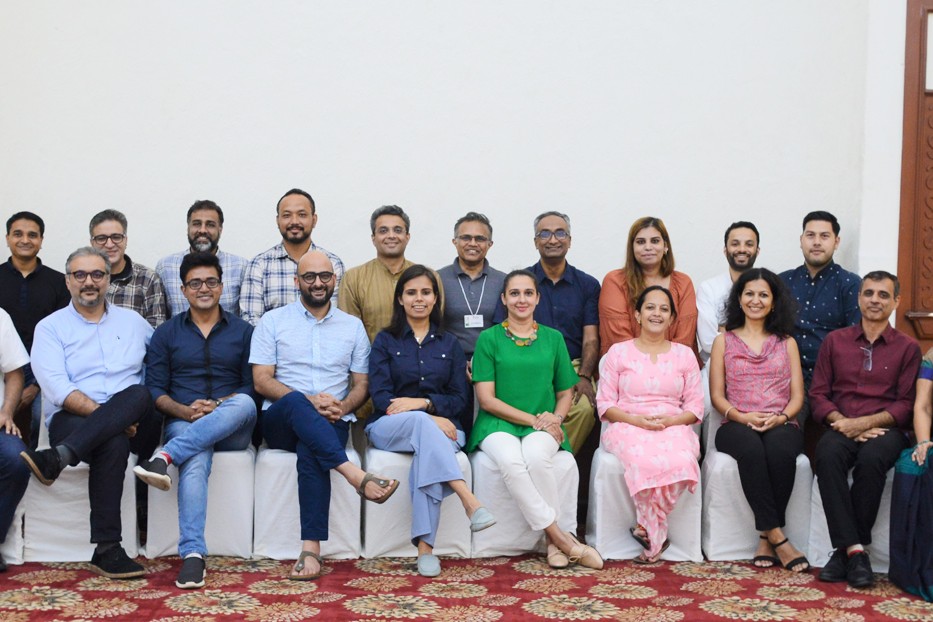
One of the primary programs in the realm of leadership development is the Kamalnayan Bajaj Fellowship, formerly known as the India Leadership Initiative (ILI). This is a unique Fellowship which has been running successfully since 2006 by Ananta Aspen Centre, the sister organisation of Ananta Centre.
The Kamalnayan Bajaj Fellowship (KBF) seeks to develop a new generation of values-based action-oriented leaders to serve India. KBF focuses on young, entrepreneurial leaders from Business, Government and Civil Society between the ages of 35-45. Using the time-tested Aspen method of text-based dialogue, KBF provides these young leaders with an opportunity to better understand their own leadership values and those of their peers. It also encourages them to engage more vigorously with the challenges of their communities and country, while exploring ways new ways to work in concert to improve Indian society and the world at large.
A part of the growing worldwide community of entrepreneurial leaders of the Aspen Global Leadership Network (AGLN) www.aspeninstitute.org/leadership-programs/about-agln comprised of over 2300 fellows from over 50 countries, the KBF is designed to help leaders move from “success to significance” and from “thought to action”. The AGLN is a significant platform for KBF Fellows for not only networking, but also knowledge sharing as it enables interactions with emerging leaders from across the world. This community of young leaders has the power to impact the society at large in significant ways.
Fellows Speak
Individuals should be nominated by recognized business and community leaders in their region and should not be a family member. Self-nominations are not accepted.
Nominators are asked to submit a letter stating their reasons for recommending the candidate and a resume / CV indicating the candidate’s age, physical address, email address and phone number, educational background, career path, current position, voluntary community activities and any additional information that will help us evaluate their qualifications for the program.
Individuals recommended as candidates for the Kamalnayan Bajaj Fellowship should be:
- Executives and professionals between the ages of 35 and 45 Years who have achieved significant success in their respective fields of endeavour and demonstrated their potential for even greater leadership at the highest levels of business , government and civic responsibility.
- Emerging and established leaders who have reached an inflection point in their careers and are looking to give back to society in a broader, more substantive manner.
- Individuals who possess a breadth of experience and level of maturity that will enable them to contribute effectively to the fellowship experience.
The aim is to constitute a class of fellows drawn from diverse backgrounds in terms of geography, occupation, ethnicity, race, religion and gender.
Participation is open only to residents of India.
Kamalnayan Bajaj Fellowship Initiative
Fellows are men and women who are undertaking a programme of advanced leadership seminars and individual leadership projects under the direction of experienced Aspen Institute-certified moderators and senior local mentors. The 18 month curriculum has been designed specifically for the Kamalnayan Bajaj Fellowship and comprises four seminars and leadership development activities. The program requires a commitment by each Fellow of about 23 days for seminar meetings plus the time allocated for individual leadership projects and periodic informal gatherings. Three of the seminars will be held in India, and the Globalization Seminar either is U.S. or India or another part of the world.
| The Challenge of Leadership Seminar | 5 days | convening focusing on the qualities of leadership necessary to master the forces of change. |
| The Aspen Seminar | 7 days | convening focused on refining each Fellow’s definition of the good society including the respective roles of government and business in building that society and the society challenges of economic growth. |
| The Leadership in an Era of Globalization Seminar | 6 days | convening exploring the political, economic, technological, cultural and ethical challenges of globalization and the skills necessary to meet them. |
| The Promise of Leadership Seminar | 5 days | convening exploring the concepts of “the good life”, legacy and life balance and laying the groundwork for continuing interaction after the formal programme is concluded. |
Leadership Projects
In addition, each KBF Fellow is required to undertake a leadership project, which reflects their own passion and interest and provides an opportunity to apply their vision of a ‘good society’ and the values inherent therein in tangible ways. Many of the projects have become long term companies/programmes that are self-sustaining.
The Challenge of Leadership Seminar
A seminar which asks Fellows to think about their own role and responsibility as leaders as they are exposed to a range of leaders offering different leadership styles and models. Among them are Ricardo Semler of Semco (Brazil), Mahatma Gandhi, Jean Monnet, Martin Luther King Jr., Nelson Mandela and Lee Kwan Yew. The Fellows produce a personal handbook of the attributes of effective, enlightened leaders and of what such leaders do and do not do.
The Aspen Seminar
Is the Aspen Institute’s flagship seminar. During this seminar Fellows build their own vision of the “good society” by reading, discussing, debating and relating the writings of a wide range of thinkers to their present-day conditions. Thinkers include Plato, Aristotle, Rousseau, Hobbes, Milton Friedman and others. The Fellows share their personal thoughts on the proper role of government in society as well as on the sorts of trade-offs they are willing to accept in the name of economic growth.
Leading in an Era of Globalization
A seminar in which the Fellows explore a wide range of ways globalization is influencing their world — economic, political, scientific, cultural and ethical. Fellows also look at what globalization means for their leadership and where there might be opportunities to harness the forces of globalization for good and asks them to think about where they might draw the line its influences.
The Promise of Leadership
Is the final seminar in the series of four and is the most introspective. In this seminar Fellows share the results and lessons learned from their Leadership Projects and explore issues of balancing work and family, community engagement and personal legacy. They are poised from here to engage in the next phase of their leadership and have begun their journey from success to significance.
The entire orientation of KBF is “thought leading to action.”
Through the readings that form the basis of the KBF seminars, the Fellows are exposed to a range of “thought leaders” and role models from around the globe and across the ages who have clearly articulated their visions for “a good society” and demonstrated their capacity for effective, enlightened leadership. As they read, the Fellows are challenged to think about their own visions – and about how they measure up as leaders.
Through the dialogue and debate that is inspired by these readings and prompted by the moderators, the Fellows are exposed to the values and beliefs of others from their own societies with whom they must learn to work if they are to build stronger economies and civil societies. Government and civil society leaders learn how their counterparts in the business community think about concepts such as “efficiency” and “liberty”, how they respond to crises and critical challenges, and what their frustrations are as they try to create growth and jobs. Likewise, business leaders learn how their counterparts in other sectors think about “community” and “equality”, and how they balance the demands of the marketplace with the needs of the less-endowed and less-empowered.
Through their required leadership projects, all of the Fellows are compelled to put their own visions and leadership styles into action.
The result should be:
Greater engagement of emerging Indian business leaders in active policy dialogue with their government, especially dialogue around creating the right conditions for broad-based growth and successful participation in the global economy.
Greater engagement of emerging Indian business leaders – and the businesses they lead — in tackling social challenges – from HIV/AIDS to literacy, nutrition, housing, and skills development.
Greater engagement by emerging government and civil society leaders with the business community in tackling these same social challenges.
Frequently Asked Questions
1. How can I apply?
Actually, you can’t apply. Fellows are nominated by respected members of their community, board members of the Fellowship initiatives, or other Fellows from the initiatives.
2. Who can nominate?
Anyone can nominate a Fellow. We reach out to our Alumni, Board of Trustees and other respected members of the society. The Nomination form is also posted on the website when Nomination process is open.
3. What are the qualifications?
Ideal candidates are entrepreneurial professionals, primarily from the business sector, who are at an inflection point in their lives or careers – i.e. having already achieved professional success, they are ready to consider what broader leadership role they might take on in their community, country or region. They should be between the ages of 35-45 years when nominated and possess a proven track-record of leadership and entrepreneurial success as well as a demonstrated potential for even greater leadership. They should have a breadth of experience and a level of maturity that will enable them to contribute effectively to the seminar experience; this includes an ability to listen and learn from their peers. For geographically-based programs, with a few rare exceptions, candidates should live in the relevant region. In addition Fellows will be required to take on a leadership project to address an issue they see in their community.
4. How do I nominate a Fellow?
Instructions are posted during the period that Nominations Process is Open.
5. How are Fellows selected?
A Selection Committee looks at several factors in selecting a class and selecting the right mosaic is among them. Sometimes even the most qualified candidates will not be selected if they don’t fit into the mosaic for that year, however they will be considered for future classes. A combination of factors such diversity of class among geography, gender, ethnicity, religion, industry and sector play a part in the final selection.
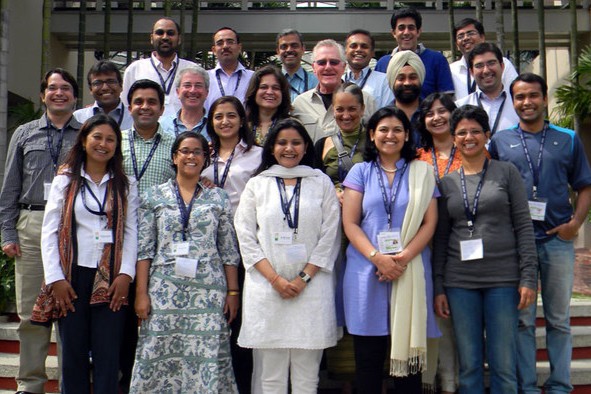
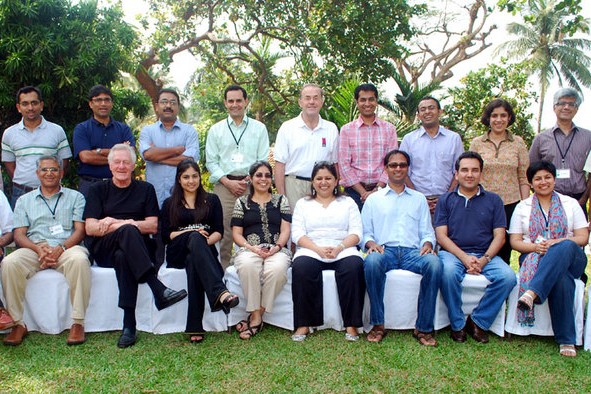
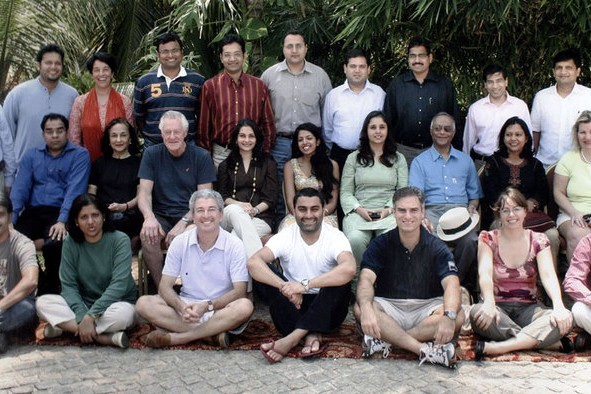
Elev8
(Class 8)
McNulty Awards
THE JOHN P. McNULTY PRIZE celebrates breakthrough leaders for their moral courage, bold vision, and deep, lasting impact. Created in 2008 by Anne Welsh McNulty in honor of her late husband, the McNulty Prize is awarded in partnership with the Aspen Institute and has now recognized over 60 visionary leaders for their courage and lasting impact.
McNulty Prize Laureates
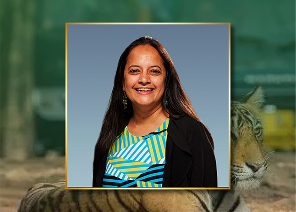
Dr Krithi K. Karanth
Center for Wildlife Studies
2025
Transforming wildlife conservation in India by combining cutting-edge science with community-led solutions to protect biodiversity and improve lives.
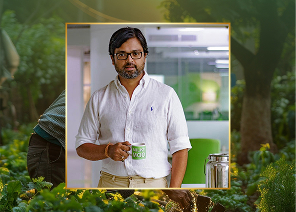
Srikumar Misra
Founder of Milk Mantra
2019
Transforming livelihood experience for rural farmers in Eastern India with ethical sourcing
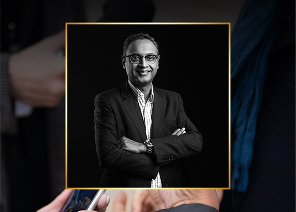
Govindraj Ethiraj
Founder of IndiaSpend, BOOM & FactChecker
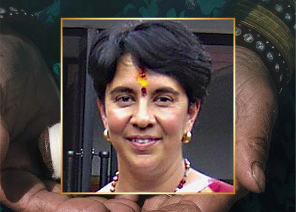
Mukti Datta
Founder of Panchachuli
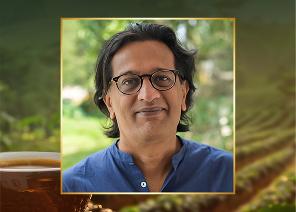
Manoj Kumar
CEO of Naandi Foundation
2013
Lifting the incomes of farmers and a region through training & a connection to the global coffee market
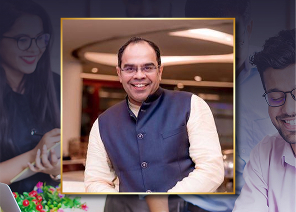
Amit Bhaitia
Founder of Aspire
McNulty Prize Catalyst Fund Awardees
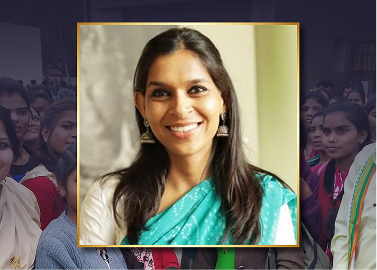
Ruchi Gupta
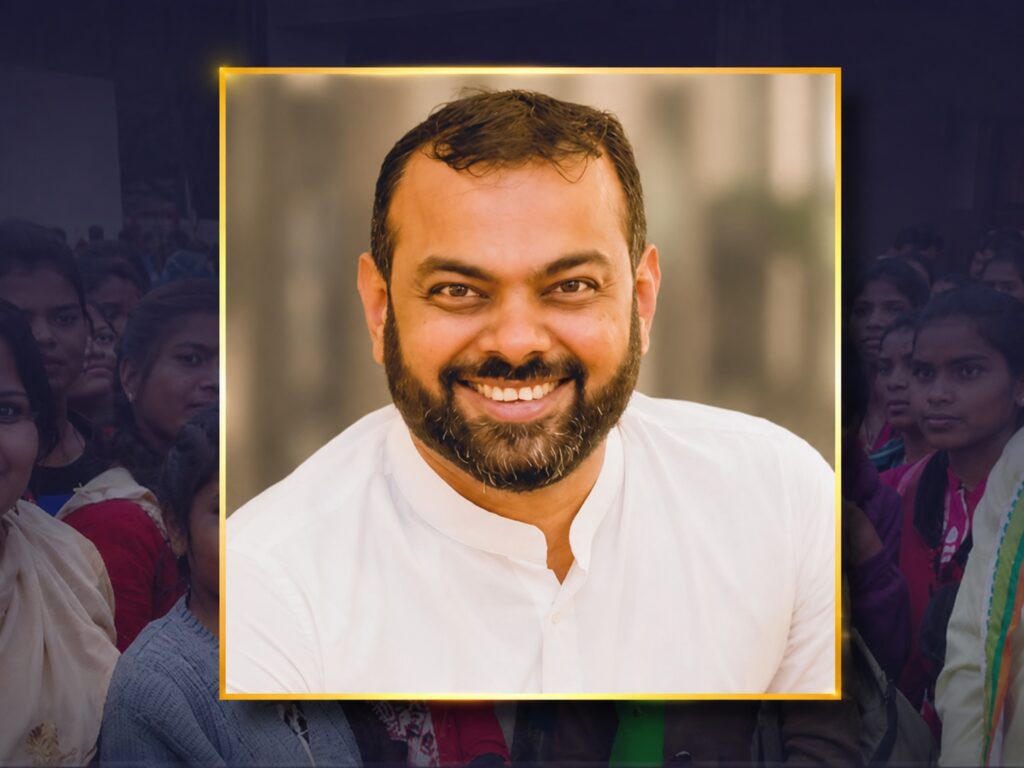
Ajay Nair