Pride Fund India: A Vision for Inclusive Growth
The proposition that inclusive growth depends on inclusive capital appears self-evident. Yet, for all the progress philanthropy has made in broadening its lens, the gap between this principle and its practice remains significant. Few sectors reflect this more sharply than India’s LGBTQIA+ ecosystem, where extraordinary community leadership and innovation have long outpaced the visibility, recognition, and sustained investment they receive.
The legal milestones are real and hard-won, representing years of organizing, litigation, and personal courage. The Supreme Court issued landmark rulings recognizing the transgender community in 2014 and the decriminalization of same sex relations in 2018. However, there have been legal setbacks in the last three years, namely the Supreme Court’s 2023 decision to not recognize marriage equality for same sex couples, and the March 2026 Parliamentary Amendment to the original 2019 Trans Act, which dismantles the protections provided for the Transgender community. These decisions are a reminder of how quickly legal ground can shift, and how exposed a movement remains when visibility advances faster than institutional support. In the absence of sustained funding, community-led LGBTQIA+ organizations across India have had to build what no one else was building: safe shelters, helplines, mental health networks, legal aid systems, and livelihood pathways for LGBTQIA+ people pushed to the margins.
In February 2025, three Ananta fellows, Radhika Piramal (Class 7), Parmesh Shahani (Class 10) and Neera Nundy (Class 3), along with Keshav Suri (one of the petitioners in the decriminalization case) launched the Pride Fund India, to specifically address this gap. As India’s first dedicated collaborative philanthropy platform focused exclusively on LGBTQIA+ causes, the fund represents a strategic effort to strengthen one of the country’s most under-resourced social sectors through pooled capital, trust-based grant-making, and ecosystem-building support.
India is home to an estimated 100–150 million LGBTQIA+ individuals, most of whom live invisibly in shame, stigma and silence, outside of the metros. Indian LGBTQ NGOs and community organizations are often their only resource and lifeline, yet these organizations receive less than $5Mn of international philanthropic funding, and less than $2Mn of domestic philanthropic funding, with only 2 of India’s top 50 philanthropic donors explicitly mentioning LGBTQ+ communities as a priority. At Pride Fund India, we recognize this underinvestment as a clear limitation of traditional grant-making approaches, and it has informed our collaborative funding model:
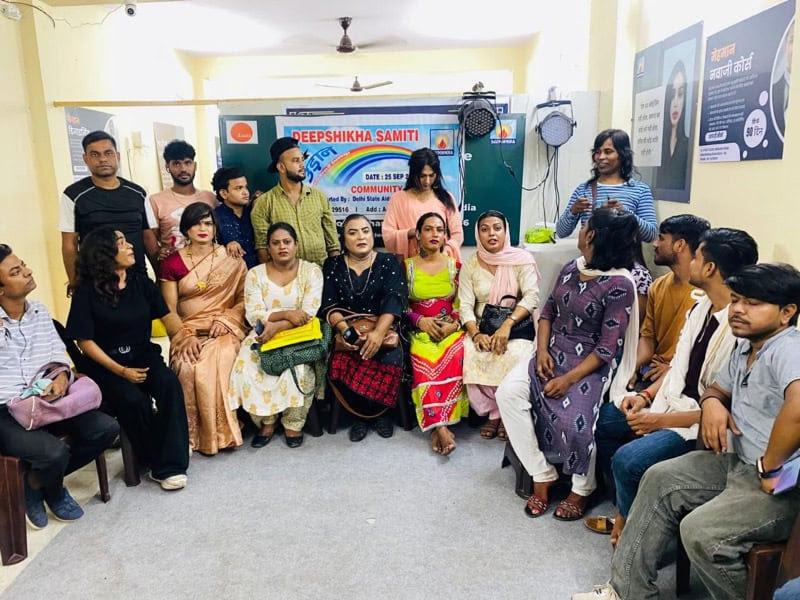
Administered by Dasra, our fund is committed to building confidence in LGBTQIA+ philanthropy as a credible and high-impact investment area. The results in Pride Fund India’s inaugural year are striking! In 2025, we deployed approximately ₹2.6 crore in grants to 17 organizations, reaching 3,500+ individuals, while also contributing to the field through two sector landscape reports. In 2026, we aim to double our scale to ₹5 crore in funding and support 20–25 organizations. Examples from the portfolio illustrate the breadth of impact:
Over the past decade, many LGBTQIA+ organizations in India have developed strong community trust, localized expertise, and adaptable delivery models. What has been missing is sustained, catalytic capital that supports a transition from survival to growth and sustainability. Without it, even highly effective organizations remain constrained in their capacity to influence systems or scale effective interventions.
The broader philanthropic moment in India affirms the opportunity. Private sector philanthropic giving in India is projected to grow at 10–12% annually over the next five years, driven by family philanthropy from ultra-high-net-worth and high-net-worth individuals. Capital, in other words, is not the constraint. What this moment requires is for those directing that capital, to decide that India’s LGBTQIA+ communities belong in the portfolio of causes this country takes seriously. The next chapter of India’s development will depend on whether philanthropy is able to commit to this decision. We invite the Ananta Aspen community, many of whom are thoughtful allies, to join us in our journey of equity and inclusion.
HAPPENING
SparkLab 2026, London
Ananta Aspen Centre participated in SparkLab 2026, the Aspen Institute International Partners Network’s invitation-only workshop held in London from 5–7 June 2026, represented by Roshni Kerketta. The convening brought together programme and leadership teams from Aspen Institutes worldwide to strengthen collaboration, exchange best practices, and explore opportunities for joint initiatives. Discussions focused on shared approaches to values-based leadership development, alumni engagement, impact storytelling, and cross-network partnerships.
The workshop reinforced the importance of international collaboration in addressing global challenges and highlighted opportunities for the Ananta Aspen Centre to strengthen leadership programming, enhance impact communications, and deepen engagement within the global Aspen network.The broader philanthropic moment in India affirms the opportunity. Private sector philanthropic giving in India is projected to grow at 10–12% annually over the next five years, driven by family philanthropy from ultra-high-net-worth and high-net-worth individuals. Capital, in other words, is not the constraint. What this moment requires is for those directing that capital, to decide that India’s LGBTQIA+ communities belong in the portfolio of causes this country takes seriously. The next chapter of India’s development will depend on whether philanthropy is able to commit to this decision. We invite the Ananta Aspen community, many of whom are thoughtful allies, to join us in our journey of equity and inclusion.
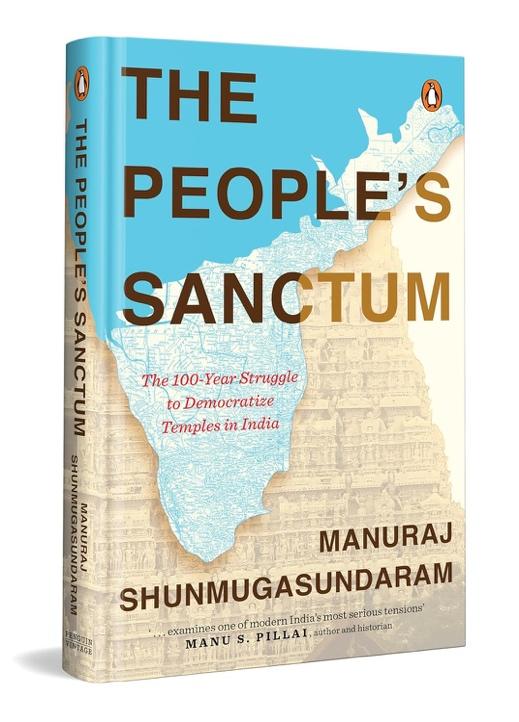
BOOK LAUNCH
In The News
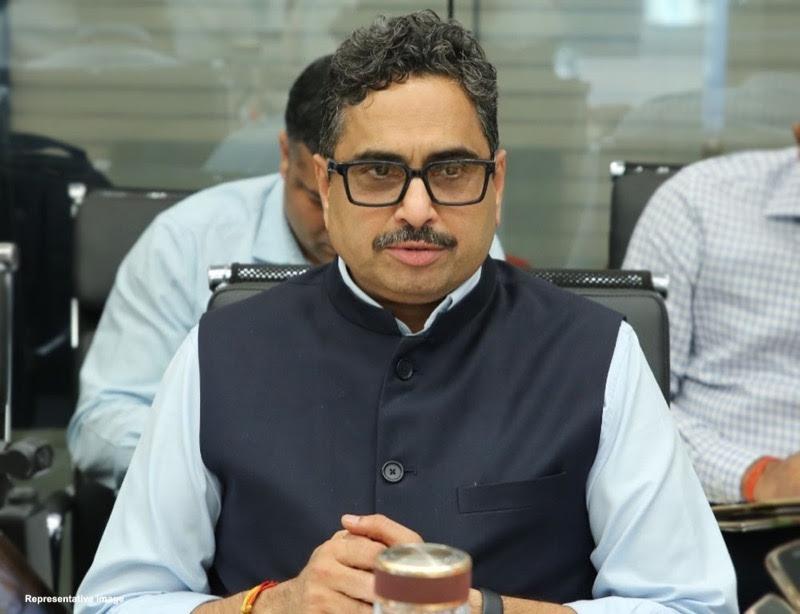
Mr Sanjay Jaju, Kamalnayan Bajaj Fellow (Class 1), has been appointed as the Chief Secretary to the Government of Telangana.
The Ananta Team extends its heartfelt congratulations to Mr. Jaju on this well-deserved achievement and wishes him every success in this important leadership role.